Plain advice on growing food, cooking what’s in season, fixing what breaks, and getting along in a small town.
-
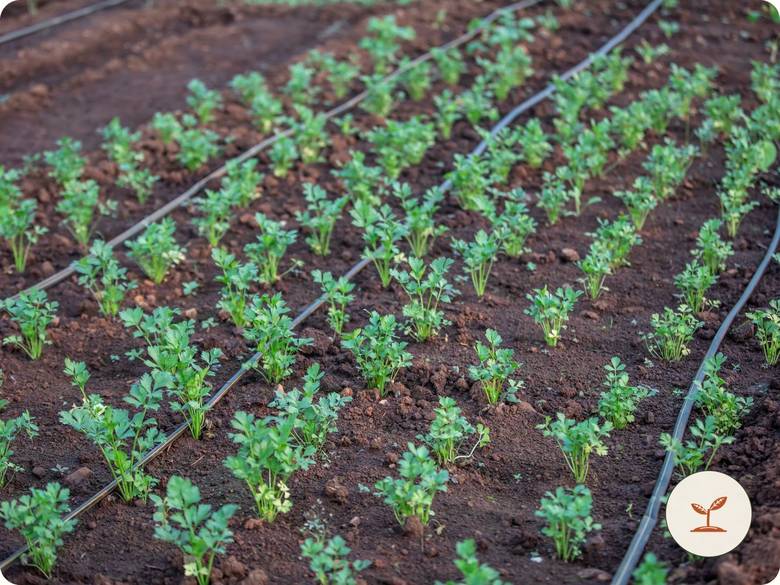
A Companion Planting Garden Layout for a Small Vegetable Patch
(…Read full post): A Companion Planting Garden Layout for a Small Vegetable PatchEvery gardener I know has a companion planting rule they swear by. The woman who runs the plant sale at the library puts marigolds around everything. My neighbor up the road will not let an onion within ten feet of his beans. I have tried most of these rules over the years, and some of them seem to help, some do nothing I can measure, and a few just make the garden look nicer, which is not nothing.
By Ben Hartley
-
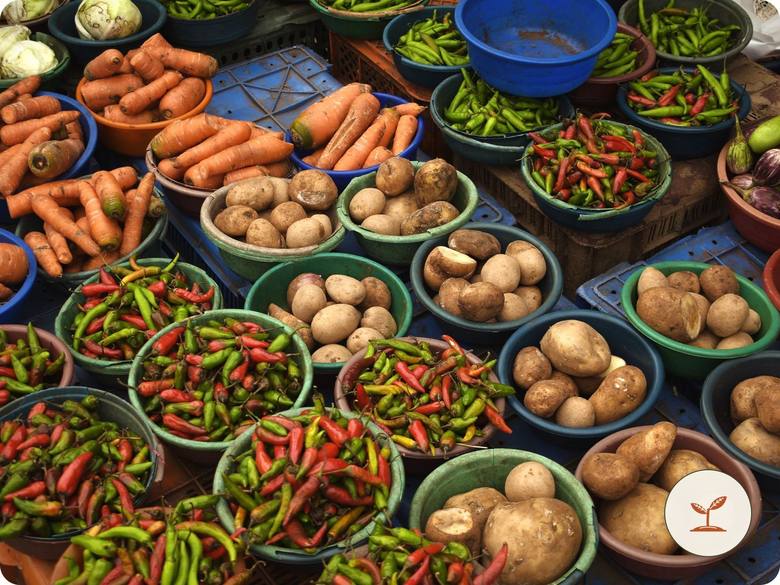
How to Make a Root Cellar in Your Basement (No Digging)
(…Read full post): How to Make a Root Cellar in Your Basement (No Digging)The farmhouse I grew up visiting had a root cellar dug into the hill behind the kitchen, with a heavy plank door and steps that were slick with damp no matter the month. My grandmother kept potatoes down there into spring. I do not have a hill or a plank door, and most people do not either. What I do have is an old unfinished basement, and one corner of it has done the same job for years without anyone picking up a shovel.
By Ben Hartley
-
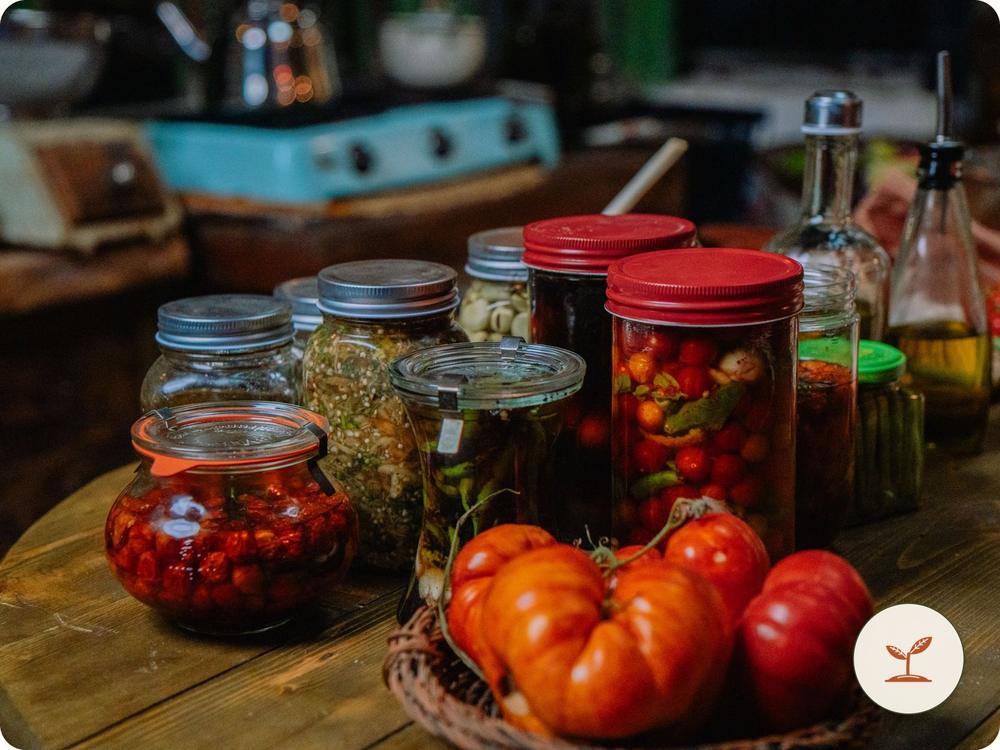
Canning Tomatoes the Old Fashioned Way, in a Water Bath
(…Read full post): Canning Tomatoes the Old Fashioned Way, in a Water BathBy late August my kitchen counter disappears under tomatoes. The basil I planted beside them has long since gone to flower, the vines are leaning on their stakes, and every morning there are more red ones than I can possibly eat fresh. That is when the big pot comes down from the shelf.
By Ben Hartley
From the Almanac
-
Read this month’s almanac: A Short List of What to Plant in November
Plant
Bulbs before the freeze
Tulips and daffodils can go in until the ground freezes, about 6 to 8 inches deep, pointed end up.
Cook
Freeze fresh cranberries
Fresh cranberries show up in stores now. Freeze a few bags whole, and they go straight from freezer to pot all winter.
Fix
Cover the woodpile top
Cover only the top of the stack so rain and snow run off while the sides still get air.
Watch for
Mice moving in
Fresh droppings in the shed or pantry mean mice are coming in from the cold. Find and close the gaps now.

-
Porch reading
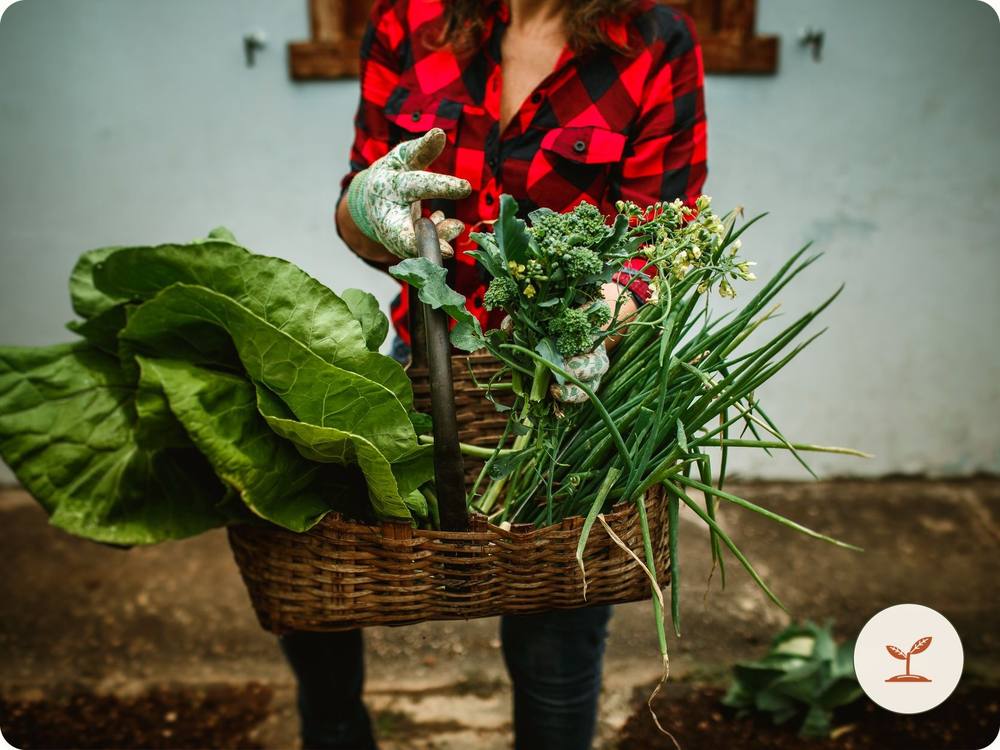
Edible Weeds You Probably Already Have in Your Yard
By Ben Hartley,
I spent years pulling purslane out of the vegetable beds and tossing it on the compost pile before somebody at the farmers market pointed out that I was throwing away a perfectly good salad. Now I let some of it grow along the edges on purpose.
Plenty of what we call weeds were food long before they were nuisances. Here are seven common ones.
Before You Pick Anything
Read this part first.
- Positively identify every plant. If you are not sure, do not eat it. Several harmless weeds have lookalikes that are not harmless.
- Skip any lawn that has been sprayed. If you do not know the history of a patch of ground, leave it alone.
- Avoid roadsides and spots where runoff collects.
- Start small. Try a little of a new plant the first time to see how it sits with you.
- Check local rules before picking anywhere other than your own yard.
I go into more detail on all of this in my foraging safety page.
The Weeds
Dandelion
How to recognize it: A low rosette of deeply toothed leaves with no hairs. Each yellow flower sits alone on a hollow stem, and the stems and leaves bleed a milky sap when broken.
What to eat: Leaves, flowers and roots.
How to use it: Young leaves go in salads or get sauteed. Flowers make fritters or tea.
Caution: Leaves turn bitter once the plant flowers. Pick early in spring for the mildest greens.
Purslane
How to recognize it: A low, sprawling mat with smooth reddish stems and thick, paddle-shaped leaves that feel almost like a succulent. It has tiny yellow flowers in summer.
What to eat: Leaves and tender stems.
How to use it: Raw in salads for a slightly lemony crunch.
Caution: Its lookalike, prostrate spurge, grows in the same places but has thin wiry stems and oozes white sap when broken. Purslane never has milky sap. Purslane also contains oxalic acid, so eat it in reasonable amounts.
Chickweed
How to recognize it: A soft, sprawling plant with small, pointed oval leaves in pairs. The tiny white flowers look like they have ten petals, but each one is five petals split deeply in two. Look for a single line of fine hairs running up one side of the stem.
What to eat: The tender tops, leaves, stems and flowers.
How to use it: Raw in salads and sandwiches.
Caution: Scarlet pimpernel can grow alongside it. It has orange-red flowers and lacks that line of hairs. Do not eat it.
Continue at the top of the next column ↗
Part 2
Lamb’s Quarters
How to recognize it: An upright plant with leaves roughly shaped like a goose’s foot. New leaves are coated in a white, mealy powder that rubs off and makes water bead up on them.
What to eat: Young leaves and tender tips.
How to use it: Cook it like spinach.
Caution: It contains oxalic acid, so cooking it and eating it in moderation is the sensible route. Avoid plants from heavily fertilized ground, where it can pick up nitrates.
Wood Sorrel
How to recognize it: Three heart-shaped leaflets that fold down at night, and small five-petaled flowers, often yellow. Clover has rounded leaflets instead of heart-shaped ones.
What to eat: Leaves, flowers and the small green seedpods.
How to use it: As a sour, lemony nibble or a garnish on salads and fish.
Caution: The sour taste comes from oxalic acid. Eat it in small amounts, and skip it if you have been told to limit oxalates or have a history of kidney stones.
Broadleaf Plantain
How to recognize it: A flat rosette of broad oval leaves with several thick veins running lengthwise from the base to the tip. Tear a leaf and stringy fibers stretch between the halves. Thin flower spikes rise from the center.
What to eat: Young leaves.
How to use it: Raw while small and tender, or cooked once they get tougher.
Caution: Older leaves are chewy, so pick from the center of the rosette.
Violets
How to recognize it: Heart-shaped leaves with scalloped edges and purple, white or blue flowers with five petals.
What to eat: Leaves and flowers.
How to use it: Flowers go on salads and cakes. Young leaves can be added to salads or cooked.
Caution: Lesser celandine has similar heart-shaped leaves, is spreading through parts of the Northeast, and is toxic raw. It has glossy leaves and yellow flowers with more petals. I only pick violets while they are blooming, so the flower settles any question.
When you go out to look, pick a patch you know has not been treated in years, and bring a field guide rather than relying on memory.
A Note From the Porch
I started Country Wisdom to keep the useful things in one place: what to plant and when, how to put food by, how to fix what breaks, and how to be a decent neighbor where everyone knows your truck. No gadgets and no hype, just what has worked here, written down plainly so it might work for you too.
Ben Hartley